Grow it yourself!
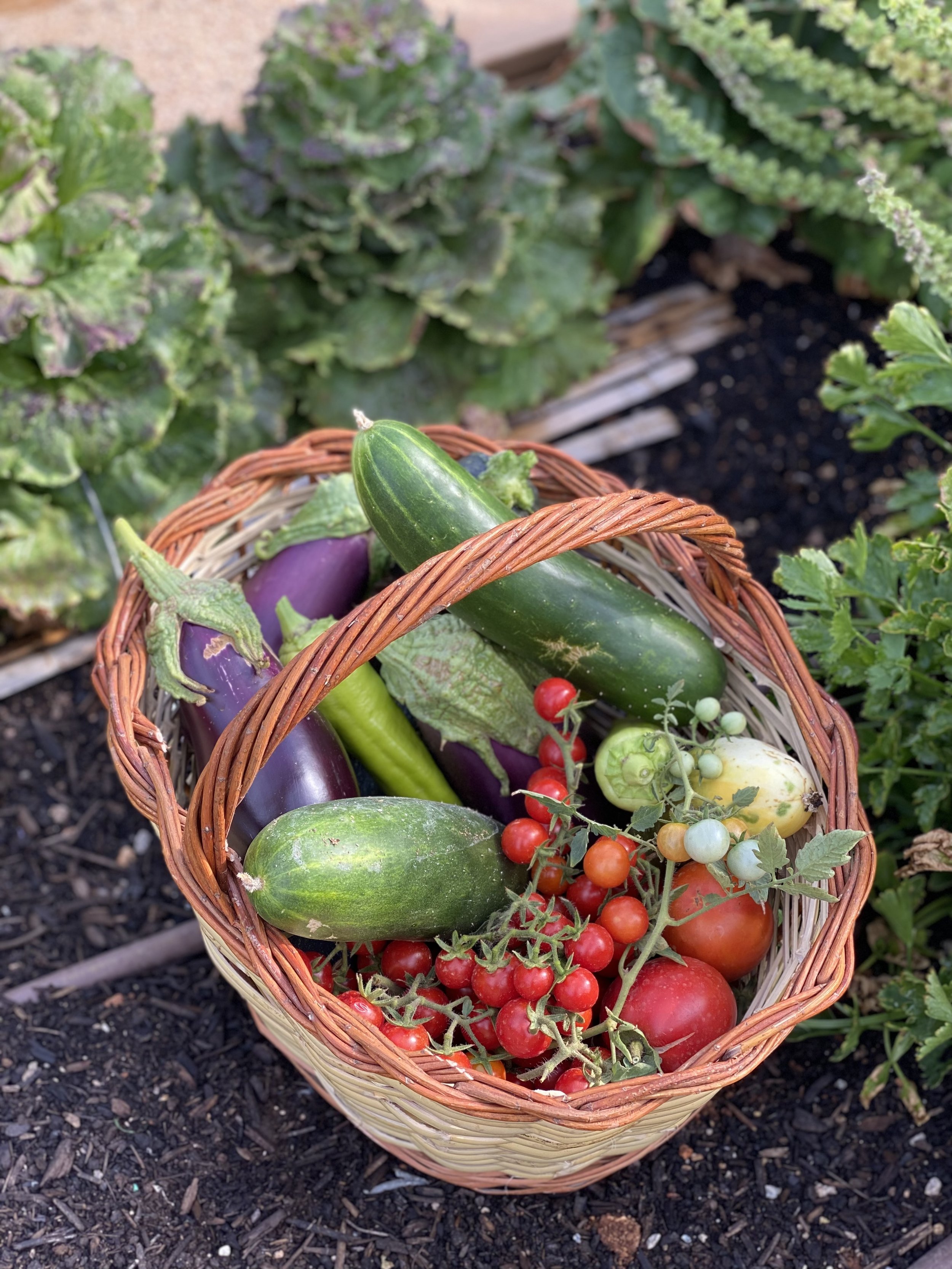
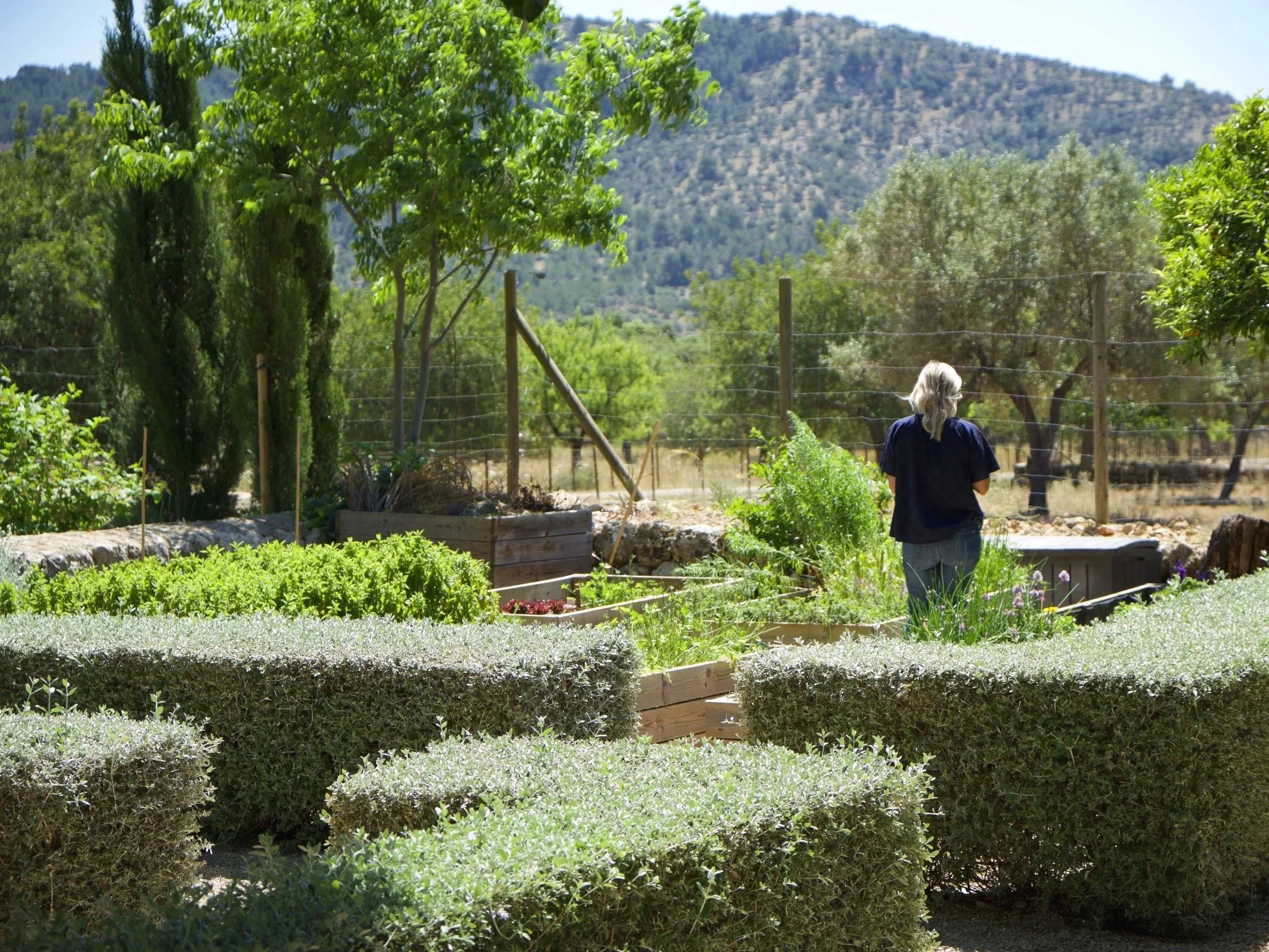
There’s something quietly grounding about stepping outside and picking your own food. A vegetable garden is more than a collection of raised beds; it’s a space where life moves at its own pace, where effort meets reward, and where the ingredients for your next meal are just a few steps away.
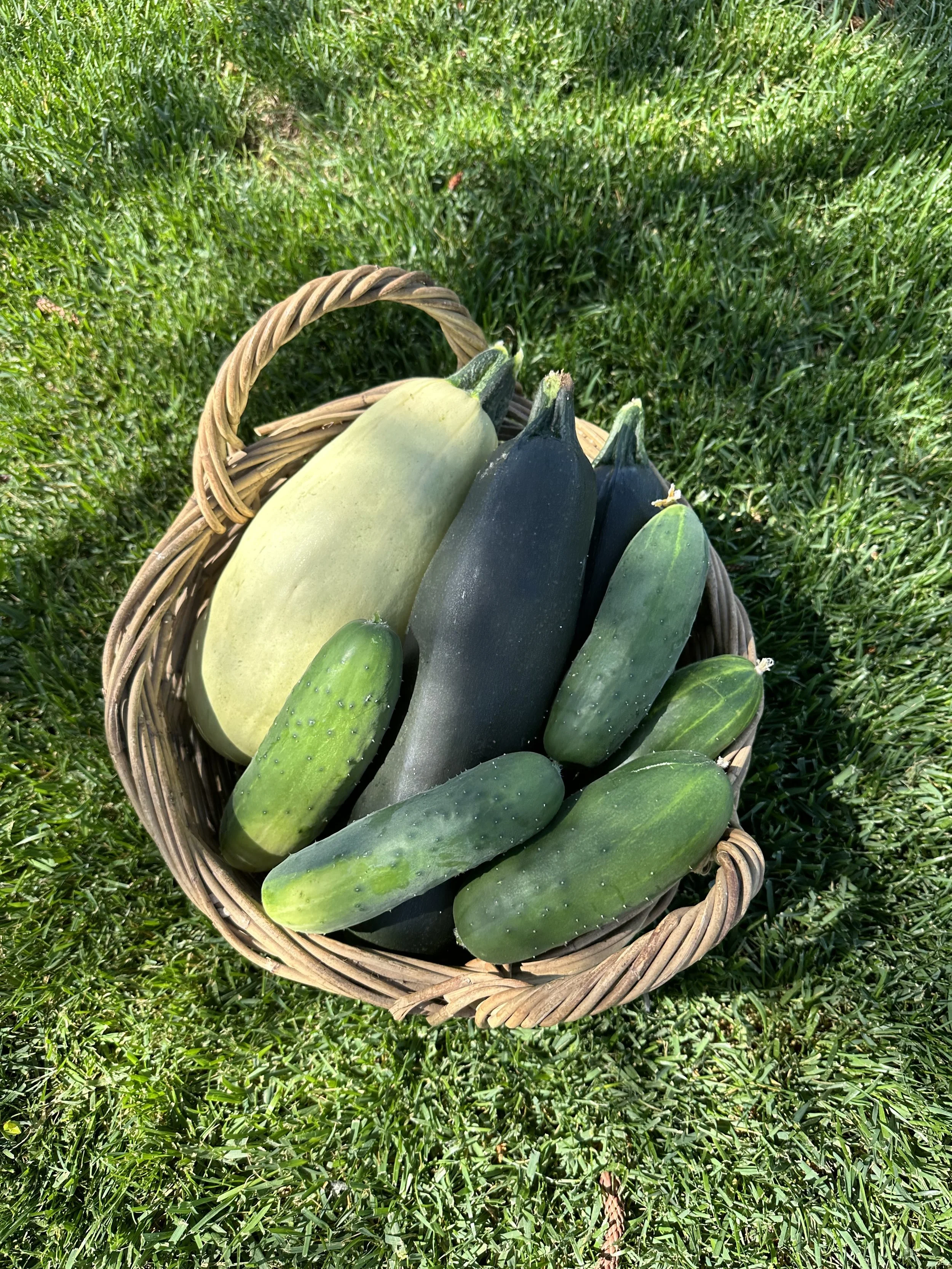
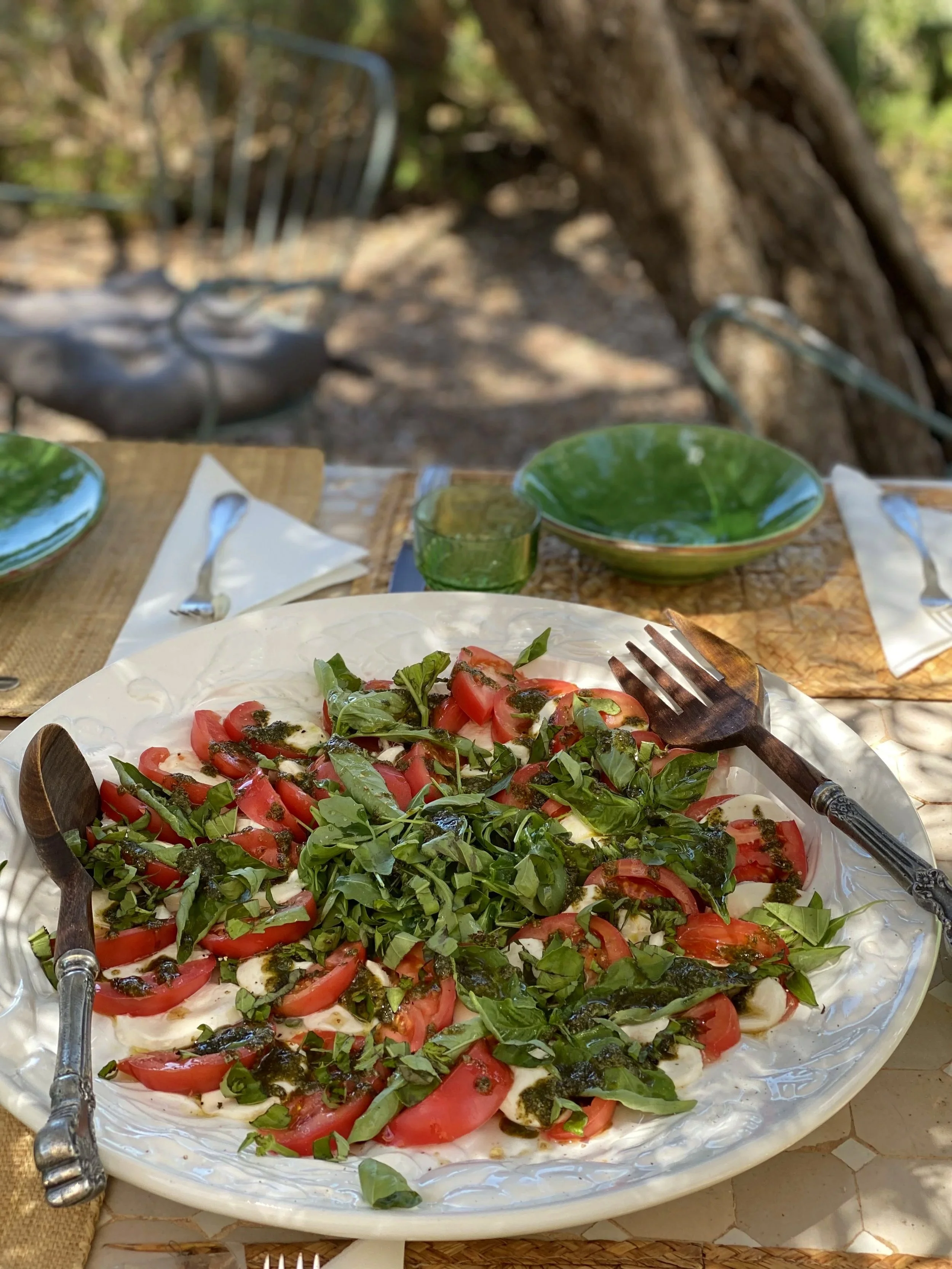
Raised beds bring rhythm and order to the garden. They’re easy to maintain, tidy through the seasons, and beautifully structured even in the stillness of winter. Each one tells a story of care, of soil turned by hand, seeds nestled into the earth, and vegetables that find their way to your kitchen table with a freshness that can’t be matched.
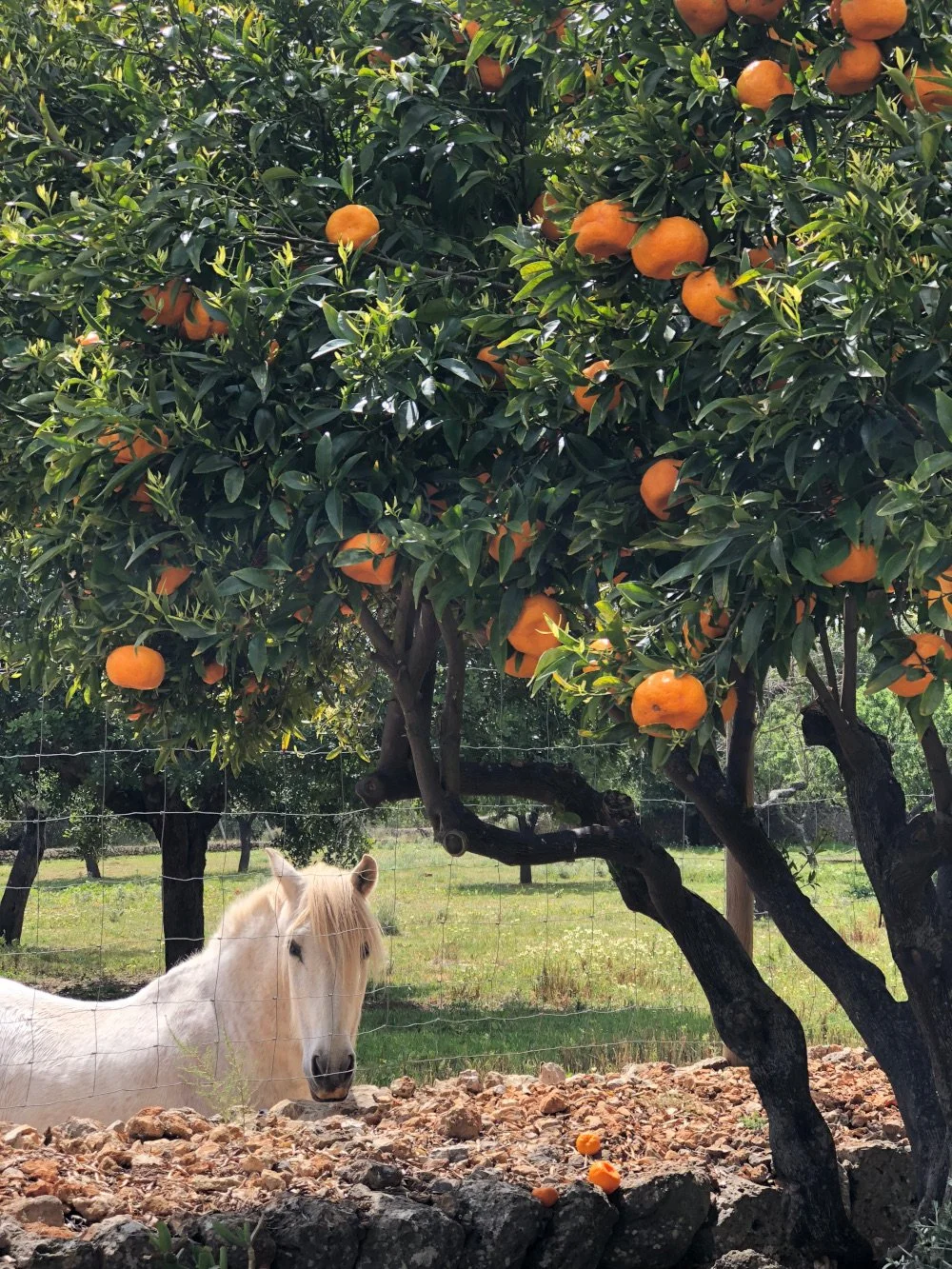
But this isn’t a new idea. In fact, it’s how people around the Mediterranean have lived for centuries. From terraced gardens overlooking the sea to small family plots tucked behind sun-warmed houses, growing your own produce has always been part of daily life here. It’s a way of living that values simplicity, connection, and a deep appreciation for the natural world.
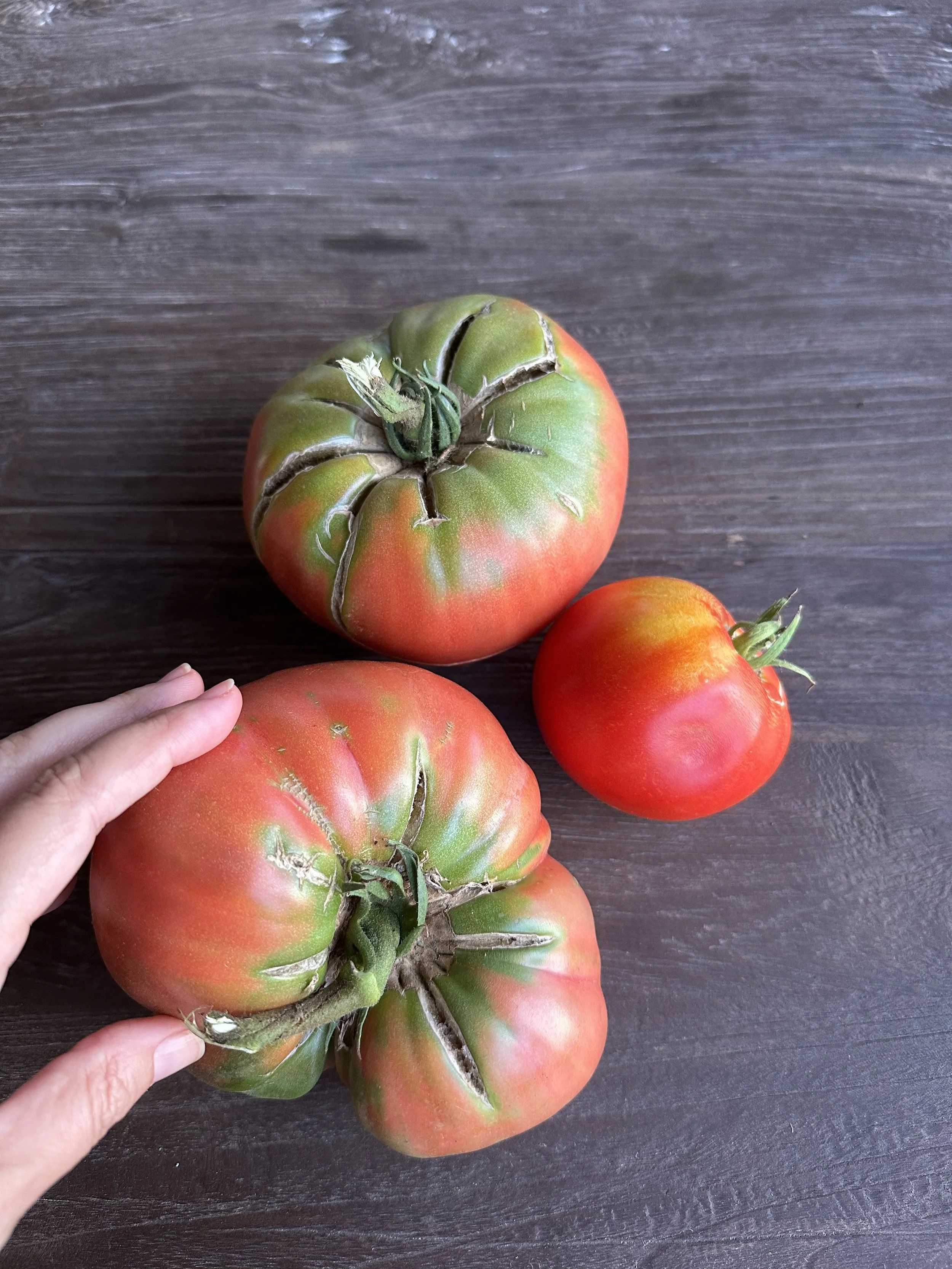
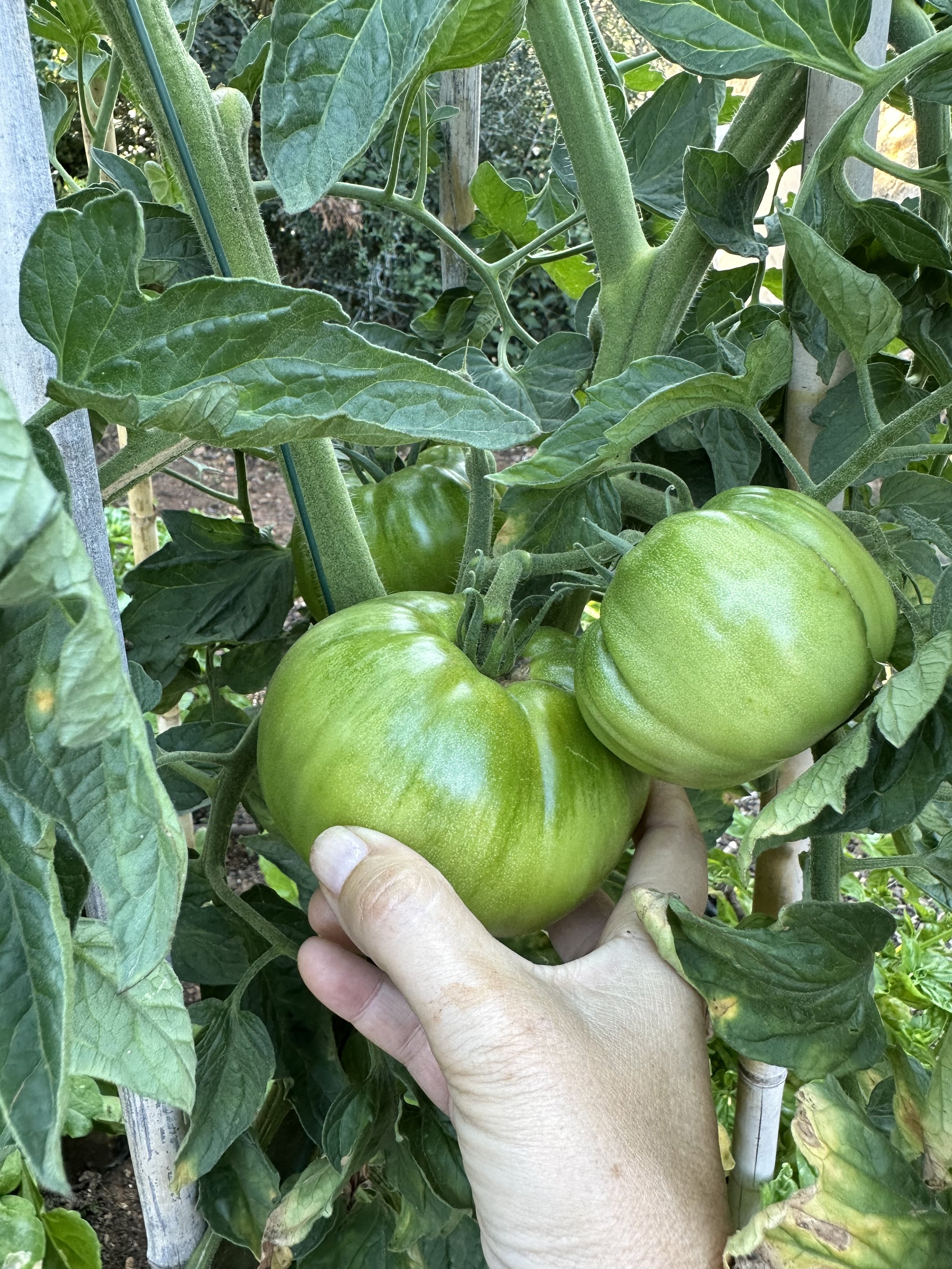
The Mediterranean rhythm is slow and steady. Guided by the seasons, not the clock. Herbs thrive in pots by the door, tomatoes ripen under the same sun that warms your morning coffee, and olive trees stand quietly as the years pass. This calm, sustaining approach to food and life reminds us that nourishment doesn’t just come from what we eat, but from how we live.
Cultivating a small garden, even a few raised beds, is a way of rediscovering that heritage. It encourages mindfulness, celebrates local ingredients, and brings back the joy of eating simply, fresh herbs, vibrant greens, and produce that tastes better because you grew it yourself.
Starting Your Own Mediterranean-Style Garden
You don’t need much space to begin. Just a sunny corner and good soil. Start with Mediterranean staples: rosemary, thyme, oregano, and sage thrive in warm, dry conditions. Mix in a bed of leafy greens for cooler months and sun-drenched tomatoes, peppers, or courgettes for summer.
Clay pots are perfect for herbs and bring that rustic charm synonymous with the region. Gravel paths help with drainage and add texture, while terracotta tones blend naturally into the landscape. Keep it simple, practical, and easy to manage; a few well-tended beds are far more rewarding than a garden that feels overwhelming.
Water wisely, follow the seasons, and take time to enjoy it. This way of gardening is as much about the process as it is about the harvest, a daily reminder that good things grow best when life moves slowly and with care.
In the end, a Mediterranean garden is not just about what you grow, but how you live alongside it. Each sprig of rosemary, each sun‑warmed tomato, is an invitation to slow down and reconnect with the land, with the seasons, and with yourself. So gather your tools, step outside, and grow it yourself.